
Medicine
Natural Remedies for UTI Symptoms at Home: What Works, What Doesn't, and When to See a Doctor

By Ephraim Rusk · · 10 min read
This article contains an affiliate link. If you buy through it, we may earn a commission at no extra cost to you.
Quick answer
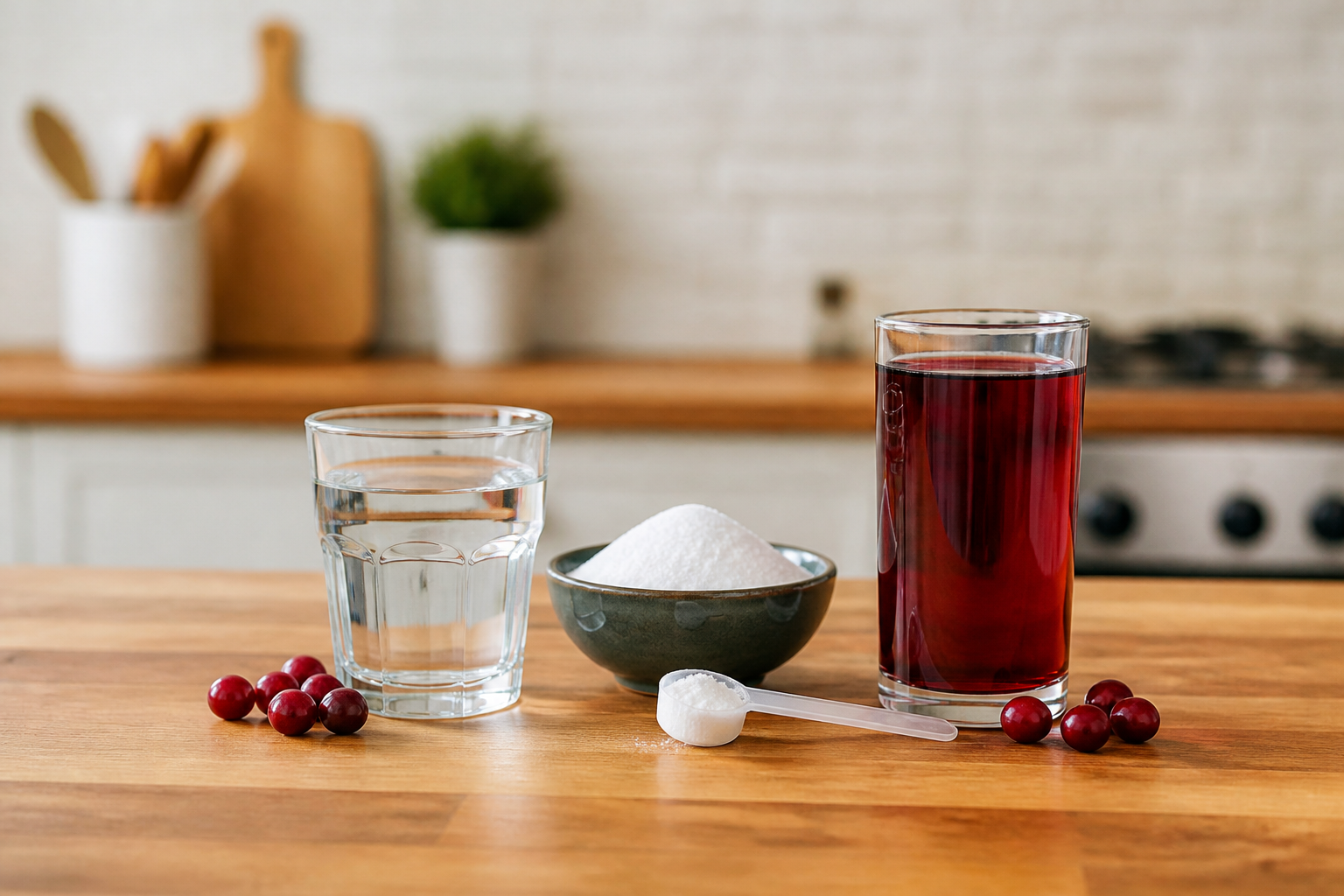
Staying well-hydrated, avoiding bladder irritants, and using D-mannose or unsweetened cranberry PAC products have the most credible evidence for easing mild UTI symptoms at home. These approaches work best at the very first sign of infection — a UTI that does not begin improving within 24-48 hours, or that involves fever, back pain, or chills, requires medical care.
Natural remedies for UTI symptoms at home are worth knowing — especially when a clinic is an hour away, it's a holiday weekend, or you're managing a minor infection that hasn't yet escalated. Urinary tract infections are among the most common bacterial infections adults face, and the burning, urgency, and pressure they bring can be genuinely debilitating even when the underlying infection is still mild.
The challenge is that most of what gets shared online about home UTI treatment falls into one of two unhelpful categories: either 'go straight to antibiotics, there's nothing else' or a pile of unverified folklore dressed up as medicine. The reality sits in between. A handful of approaches do have credible evidence supporting their use for symptom relief and, in some cases, infection prevention. Others are plausible-sounding but unsupported. Knowing the difference matters, particularly in a household that takes self-reliance seriously.
This article walks through what a UTI actually is, which home approaches have real evidence behind them, which are folklore, and — critically — which symptoms mean you stop self-treating and get professional care immediately.
What a UTI Actually Is (And Why That Matters for Home Treatment)
A urinary tract infection is a bacterial infection most commonly affecting the bladder (cystitis) and urethra, though it can travel to the kidneys (pyelonephritis) if not addressed. The vast majority of UTIs are caused by Escherichia coli bacteria that migrate from the gut into the urinary tract — a fact that shapes which home interventions have any chance of working.
Symptoms of a lower UTI — the kind most people are dealing with — include a burning sensation during urination, frequent and urgent need to urinate, cloudy or strong-smelling urine, and pelvic pressure or discomfort. These can range from mildly irritating to severely painful within a matter of hours.
Understanding the bacterial cause is important because it sets realistic expectations. Home remedies can support your immune system, reduce bacterial adhesion to bladder walls, and relieve symptomatic discomfort. What they cannot reliably do is kill a well-established bacterial colony the way a targeted antibiotic can. That gap matters. Early, mild infections may resolve on their own — studies suggest roughly 25-42% of uncomplicated UTIs clear without antibiotics in otherwise healthy adults — but that rate drops sharply as infections progress, and the window for safe self-management is narrow.
This is not an argument against home remedies. It is an argument for using them with clear eyes: aggressively at the first sign of symptoms, while monitoring closely, and with a firm decision point for when professional care becomes non-negotiable.
Hydration and Urinary Flushing: The Foundation That Actually Works
Drinking more water is the single most evidence-consistent home measure for mild UTI symptoms, and it costs nothing. Increasing fluid intake dilutes urine and increases urination frequency, which physically flushes bacteria from the bladder before they can fully colonize.
A randomized controlled trial published in JAMA Internal Medicine found that pre-menopausal women prone to recurrent UTIs who increased daily water intake by 1.5 liters reduced their recurrence rate by roughly half over 12 months compared to a control group. That is a substantial effect from one behavioral change alone.
Practical target: aim for enough water to keep your urine pale yellow throughout the day — typically 2-3 liters for most adults, more in hot conditions or with physical activity. Avoid caffeine, alcohol, carbonated drinks, and citrus juices during an active infection, as these can irritate the bladder lining and worsen urgency and burning.
Urination frequency matters too. Holding urine for long periods gives bacteria more time to adhere and replicate. If you have symptoms, urinate whenever you feel the urge — do not wait.
Cranberry and D-Mannose: Separating the Evidence from the Hype
Cranberry for UTIs is one of the most studied natural remedies in this space, but the research picture is more nuanced than most people realize. The active compounds of interest are proanthocyanidins (PACs), which appear to inhibit E. coli from adhering to bladder wall cells — not killing the bacteria, but preventing them from getting a foothold.
The current evidence, including a 2023 Cochrane Review, suggests that cranberry products reduce the risk of recurrent UTIs in women who are prone to them, but the effect size is modest and the evidence for treating an active infection is weaker than for prevention. Unsweetened cranberry juice or high-PAC cranberry supplements are more relevant than the sweetened cocktail versions sold in most grocery stores, which contain too little PAC concentration to be useful.
D-mannose is a simple sugar that works through a similar anti-adhesion mechanism — E. coli binds preferentially to D-mannose over bladder cells, so the mannose effectively acts as a decoy that gets flushed out during urination. Small clinical trials, including one published in the World Journal of Urology, have shown D-mannose reduces recurrence rates and may ease symptoms in active infections. It is available as a powder or capsule supplement. The evidence is promising, though the overall body of research is still limited.
Bottom line: D-mannose and cranberry PACs are worth using at the first sign of symptoms, particularly for people with a history of recurrent UTIs. They are supportive tools, not replacements for medical treatment in an established infection.
Heat, Probiotics, and What Doesn't Hold Up
A heating pad applied to the lower abdomen does not treat the infection itself, but it reliably reduces pelvic cramping and discomfort. Use it on a low setting for 15-20 minutes at a time. This is straightforward symptom management — no extraordinary claims, genuinely useful for getting through a rough night.
Probiotics, particularly Lactobacillus rhamnosus and Lactobacillus reuteri strains, have a plausible mechanism for UTI prevention: they help maintain a healthy vaginal microbiome that resists E. coli colonization. Some trials show benefit for recurrence reduction in women. As with cranberry, the evidence is stronger for prevention than for active treatment.
Several popular home remedies do not have credible support worth relying on. Baking soda mixed in water is sometimes recommended to 'alkalinize the urine and reduce burning' — the evidence for meaningful symptom relief is not there, and high sodium bicarbonate intake has real risks for people with hypertension or kidney issues. Apple cider vinegar is another popular recommendation with no credible clinical evidence for UTI treatment. Garlic contains allicin with broad antimicrobial properties in laboratory settings, but oral consumption does not produce therapeutic concentrations in urine. These are folklore items, not evidence-based tools.
Vitamin C supplementation has a more complex picture — there is some evidence it may help by acidifying urine and creating a less hospitable environment for bacteria, but the effect is small and inconsistent across studies. It is unlikely to hurt at standard doses, but should not be counted as a primary strategy.
Red Flags: When Home Treatment Must Stop Immediately
Knowing when to stop self-treating is the most important skill in this entire article. A lower UTI that moves into the kidneys — called pyelonephritis — becomes a serious, potentially life-threatening infection that requires antibiotics without exception.
Stop home treatment and seek professional care immediately if you experience any of the following: fever above 38.3 C (101 F), chills or shaking, pain or tenderness in your back or sides (flank pain), nausea or vomiting alongside urinary symptoms, or blood in the urine that wasn't present at onset. These are signs the infection has moved beyond the bladder.
Also seek care without delay if symptoms are not improving at all after 24-48 hours of aggressive home management, if you are pregnant (UTIs in pregnancy carry significantly higher risk of kidney involvement), if you are diabetic or immunocompromised, or if you have had a kidney transplant. Children with UTI symptoms should be evaluated by a clinician regardless of apparent severity.
In a true grid-down or no-access scenario, this is where your stored prescription antibiotic supply — if you have worked with a physician to build one — becomes relevant. That is a separate planning conversation with your doctor, not something to improvise. The point is: home remedies are a first-response tool for mild, early infections. They are not a substitute for antibiotics when the infection has advanced.
- Fever above 38.3 C (101 F) with urinary symptoms
- Back or flank pain — possible kidney involvement
- Chills, shaking, nausea, or vomiting alongside UTI symptoms
- Blood in urine that is worsening or newly appeared
- No symptom improvement after 24-48 hours of home management
- Pregnancy, diabetes, or compromised immune function
- Symptoms in a child
Our Recommendation: Home Remedies You Can Trust
The core problem a UTI creates is this: you are in real discomfort, possibly without fast access to a clinic or pharmacy, and you need to make clear-headed decisions about what to try, what to skip, and when the situation has moved beyond home care.
The gap in most DIY research on this topic is that you end up piecing together a dozen browser tabs, half of which contradict each other and none of which tell you plainly when a remedy is folklore versus when it has actual evidence behind it. That sorting process takes time you may not have, and getting it wrong in either direction carries real costs — either dismissing something that could help, or relying on something that can't.
Home Remedies You Can Trust is a digital ebook that does exactly that sorting work for you — kitchen-based herbal and food remedies for common ailments, written to give you a clear, non-folklore framework rather than a list of unverified folk cures. Critically, it also covers when professional care is still necessary, which is the guardrail that makes self-reliance genuinely safe rather than just confident. It is currently priced at $17.99 (reduced from $47). If building a reliable home medicine reference is part of how your household prepares, this is a practical starting point worth having on hand before you need it. For the next step, read How to Recognize a Heart Attack Without Calling 911: Signs, Steps, and What to Do When Help Is Far Away.
Our recommendation
Home Remedies You Can Trust
Check availability →This article contains an affiliate link. If you buy through it, we may earn a commission at no extra cost to you.
Frequently asked questions
Can a UTI go away on its own without antibiotics?
Some mild, uncomplicated UTIs do resolve without antibiotics — research suggests this happens in roughly 25-42% of cases in otherwise healthy adults. However, there is no reliable way to predict which infections will clear and which will progress. If symptoms are not improving within 24-48 hours of home management, or if any red-flag symptoms appear (fever, back pain, chills), antibiotics are necessary. Never wait it out if you are pregnant, diabetic, or immunocompromised.
Does cranberry juice actually help a UTI?
Unsweetened cranberry products containing proanthocyanidins (PACs) have modest evidence for reducing recurrent UTIs, primarily by preventing E. coli from adhering to bladder walls. The evidence for treating an active infection is weaker. Standard sweetened cranberry juice cocktail contains too little PAC concentration to be effective. If you use cranberry, choose unsweetened juice or a concentrated PAC supplement.
What is D-mannose and does it work for UTIs?
D-mannose is a simple sugar supplement that works as a bacterial decoy — E. coli binds to it preferentially and gets flushed out during urination. Small clinical trials show it reduces recurrence rates and may ease active symptoms. The evidence is promising but limited. It is available as a powder or capsule and is generally considered safe at standard doses, though people with diabetes should check with a physician first due to its effect on blood sugar.
How much water should you drink when you have a UTI?
Aim for enough water to keep urine pale yellow throughout the day — typically 2-3 liters for most adults under normal conditions. A clinical trial found that increasing daily water intake by 1.5 liters halved recurrence rates in women prone to UTIs. During an active infection, drink consistently rather than in large bursts, urinate whenever you feel the urge, and avoid caffeine, alcohol, and carbonated drinks.
What are the signs a UTI has spread to the kidneys?
Key signs of kidney involvement (pyelonephritis) include fever above 38.3 C (101 F), pain or tenderness in the back or sides (flank), chills, nausea, and vomiting alongside urinary symptoms. These require prompt medical care and antibiotics — home remedies are not adequate at this stage. Do not wait to see if symptoms improve if you have fever and back pain together.
Related guides
Sources
- Foxman B. Epidemiology of urinary tract infections: transmission and risk factors. Nature Reviews Microbiology, 2002 — referenced via NIH PubMed
- Hooton TM et al. Effect of Increased Daily Water Intake on Recurrent UTI Risk — JAMA Internal Medicine, 2018 (via NIH PubMed)
- CDC: Urinary Tract Infection (UTI) — Overview and Treatment Guidance
General preparedness information, not medical or legal advice. Follow instructions from your local emergency authority during an active event.
Field notes by email
Get the next guide before you need it
One email when a new field guide drops — water, food, power, medicine. No spam, no daily noise, unsubscribe in one click.
Comments on this guide
Questions, corrections and field reports from your own setup are welcome.
No comments yet. Be the first to add a field report.